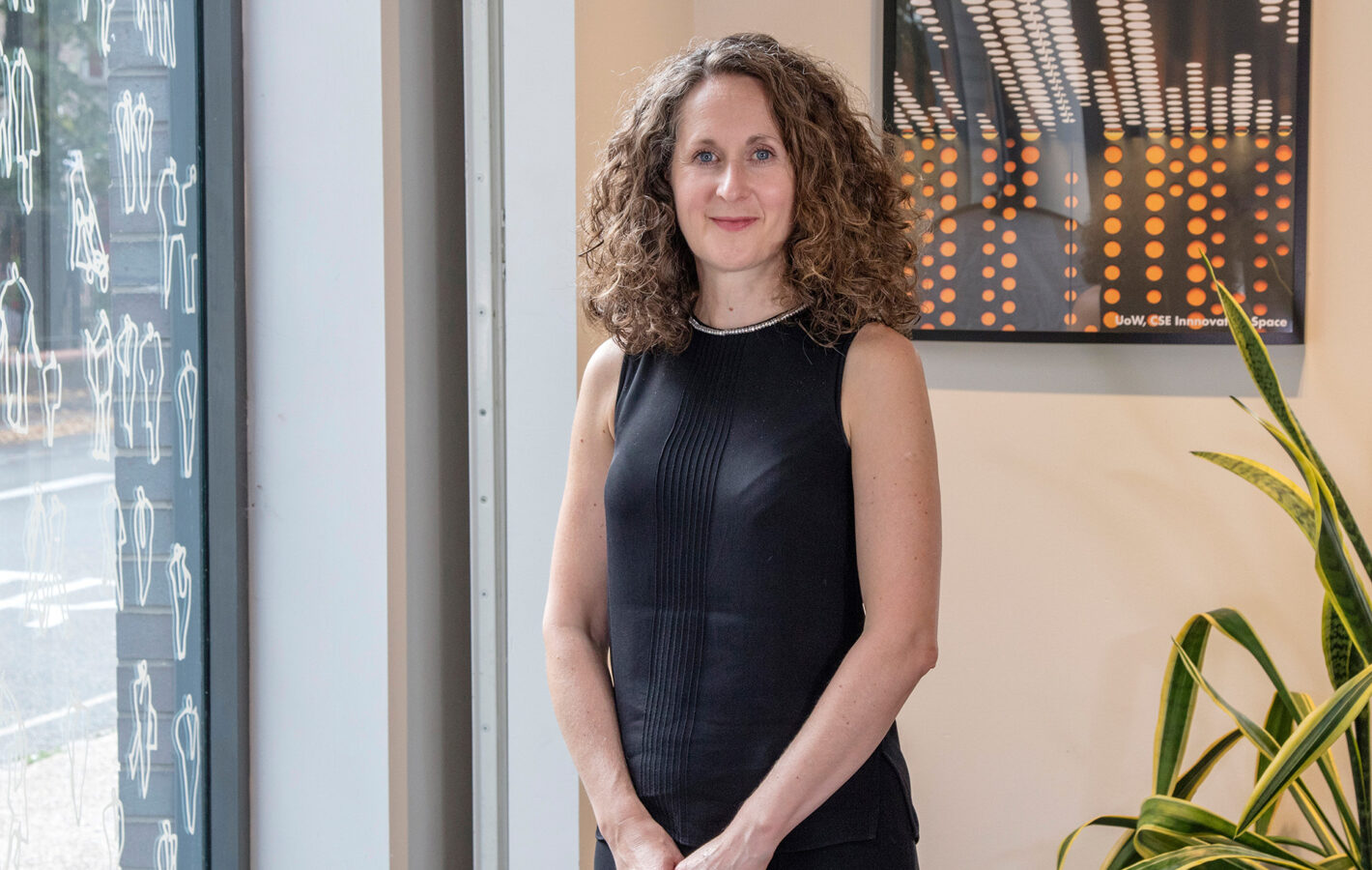
Emily is an Associate Director based in our London studio, spearheading our residential-led, mixed-use regeneration projects across the capital. She brings eighteen years of experience of shaping life at every scale in the city, from large-scale mixed-use developments down to detailed, mini masterplans and dense urban blocks.
That breadth of experience is backed by twenty-five years of life and work in London — her work rooted in a desire to make the city safer, more connected, and more alive with opportunity for every Londoner.
What are the big trends, challenges, and opportunities for your sector in London right now?
Some of London’s challenges are longstanding. Regulatory updates, shifting building standards, changes to the New London Plan — these all slow delivery down.
But watching climate crises unfold around the world — it’s a sharp reminder that future-proofing isn’t optional. We need to be getting the foundations right: mitigating overheating, maximising natural daylight, and prioritising active travel.
London’s obviously a city where space is at a premium, but that can work in our favour. High-density urban living naturally lends itself to walking, cycling, and public transit. I think the opportunity over the next five years is to lean into that with optimism.
Tell us about a recent project that exemplifies the kind of work you care about.
We’re working on some projects now that I’m really excited to be able to talk about soon. But before my time at Stride Treglown, I worked on the masterplan for the regeneration of Greenwich Millennium Village.
We took a former industrial brownfield site in the middle of the capital and stitched it back into the neighbourhood’s urban grain — developing a masterplan for around 1,800 new homes, woven together with community spaces, urban squares and culture.
The whole thing is underpinned by building a strong sense of community anchored by new civic squares and a network of safe, pedestrian-friendly streets. I think that’s the power of what we can do in London. You can take what is essentially an island of asphalt and open it back up to local communities.
Tell us about a moment of positive impact in your career — the kind that made you think, ‘this is why I do my job.’
A few years ago, I was standing in the courtyard of a newly completed residential scheme I’d worked on, when I noticed a resident walking towards me with purpose.
Obviously, I panicked, thinking: ‘Here it comes. What’s gone wrong?’ But he just smiled and told me how much people were loving life there — that the residents had even formed their own association.
That’s what I want our work to do — to help build the kind of communities I grew up in. The kind that make London so special; a city where everyone’s in it together, raising each other up.
Industry bodies
- Founder of the Perspectives talk series championing women in the arts
- Mentor for (WIA) Women in Architecture programme
