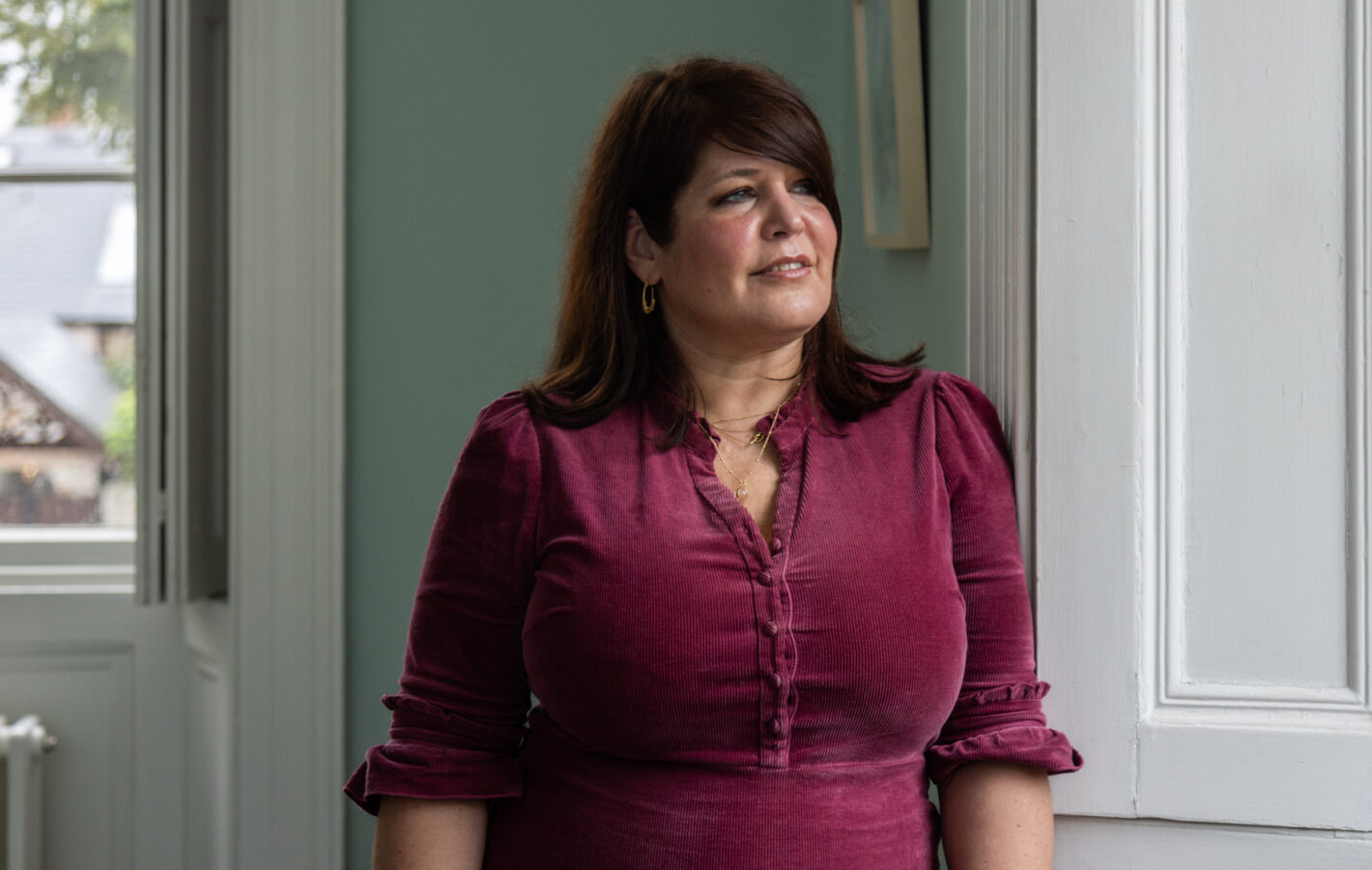
Laura leads our London studio where she drives our development and regeneration strategy across the UK.
Drawing on 26 years of experience delivering complex, mixed-use regeneration projects, Laura sees opportunities in underused buildings and the communities around them. As she shapes the next chapter for our London studio, her focus is on building relationships with socially responsible developers who recognise that long-term stewardship, commercial success, and positive social impact go hand in hand.
What do you see as the big challenges or opportunities for London right now?
London is an interesting contradiction. We’re struggling to meet demand for housing, yet there are vacant and underused buildings all over the city. We can’t solve that contradiction by assuming demolition and rebuilding are always the answer.
A growing part of our work is looking at stranded assets and asking a simple question: what else could this become?
Often the answer requires more than architectural thinking. Regeneration masterplans can span 15 or 20 years, evolving through economic cycles and changes in how people live. That means understanding communities, economics, and what people might need from a place decades from now.
How do you see the London studio fitting into that narrative?
I love big, complex regeneration projects where homes, healthcare, leisure. and public spaces are considered together. You can really get under the skin of a place, understand the people who use it and work with clients who want to be part of its future.
I think we’re seeing a positive shift in how the industry is approaching regeneration. It’s becoming less transactional, with a greater emphasis on long-term stewardship. We’re bringing our social impact researchers into the process much earlier, so we can better understand what communities need from the outset.
That’s the kind of approach I want to champion: working with clients who want to make a positive difference beyond the red line long after construction finishes.
Tell us about a moment of positive impact in your career.
I’ve wanted to be an architect since I was about six years old. My aunt, who was an architect, would take me to work with her over the summer holidays. I remember being totally taken by the idea of drawing things that could become buildings.
By my forties, I started questioning what I wanted my work to achieve. I worked on a regeneration project in Bexley where we invited local children to imagine their dream neighbourhood. As part of the process, two of them spent a week at our London studio. They lived just 20 minutes from central London, but neither had ever seen the Thames. Years later, one became an architect and the other a graphic designer.
That experience made me realise that the design process can have an impact far beyond the building itself. Sometimes, just giving people an opportunity to be involved can change the direction of their lives.
