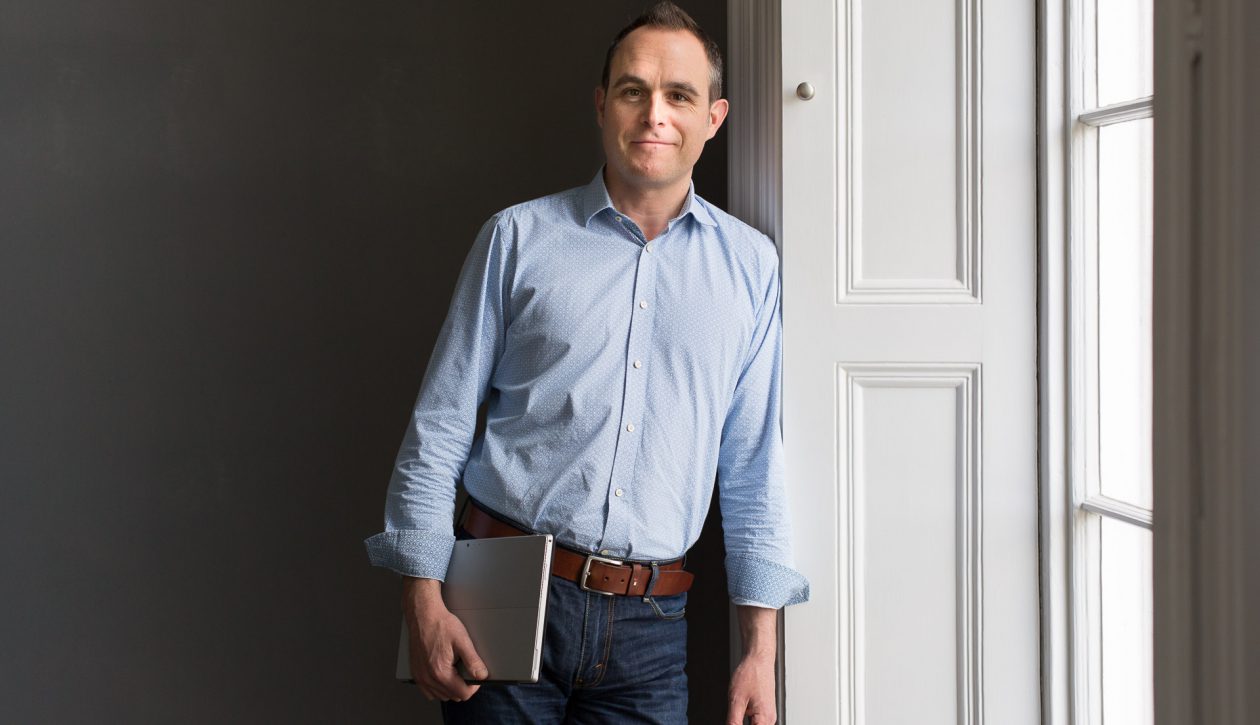
Matt has spent more than three decades leading complex estates and development projects across the UK.
With a particular focus on higher education and student accommodation, he guides clients, public bodies, developers and designers towards solutions that unlock a project for all — whether that means questioning briefs, making difficult sites viable, or pushing designs further.
What can design bring to viability?
Very little gets done by one organisation anymore. Different parties bring different things — land, investment, expertise, local knowledge, long-term ambition — so the challenge is finding a solution that works for everyone.
I’ve spent a lot of my career at the point where those interests meet. You can see the constraints from different sides, and you can spot opportunities others might miss.
That’s where design can make a real difference. Changing the use, questioning an assumption in the brief, or making the space work harder can completely alter the viability of a project. It’s not about designing something and then asking whether it stacks up. You need those conversations from the start, with design helping to shape the solution.
Is there a project that exemplifies that kind of collaboration?
Devonport House at the University of Greenwich is a good example because the starting point could easily have constrained what was possible. It’s a Grade II-listed building in a World Heritage Site, so viability, heritage, and planning all pull on the project at once.
We’ve used design to challenge some of those initial assumptions and ask: how can this building work harder for the university while protecting what makes it special?
I’ve loved the collaboration. On a sensitive site like this, you have to work it out together. I met the planners ten times, and we’ve worked alongside heritage specialists Purcell to ensure the existing building and the new extension work together. One unlocks the potential of the other, so you’re not really designing two separate buildings — you’re designing the relationship between them to create something neither could achieve alone.
Tell us about a moment in your career that made you think, ‘this is why I do my job.’
Walking around places like Royal Holloway University and University of the West of England. When you’ve worked with a client for over 20 years, you stand there and see several buildings we designed, and how decisions we made years ago shaped the campus around them.
You also remember all the people behind those projects. Some of the Part 1 students I worked with back then have gone on to run practices and do brilliant things, and we still keep in touch. So for me, it’s the combination of those things. The buildings and spaces that endure, and the relationships you build with them.
Industry Bodies:
- ARB
- RIBA
- Member of the Higher Education Design Quality Forum
- Former Chairman of the RIBA in Bristol and Bath
Awards:
- UWE R Block, RIBA Town and Country Award 2011
- Blaise Castle Café, RIBA Regional Award 2005
