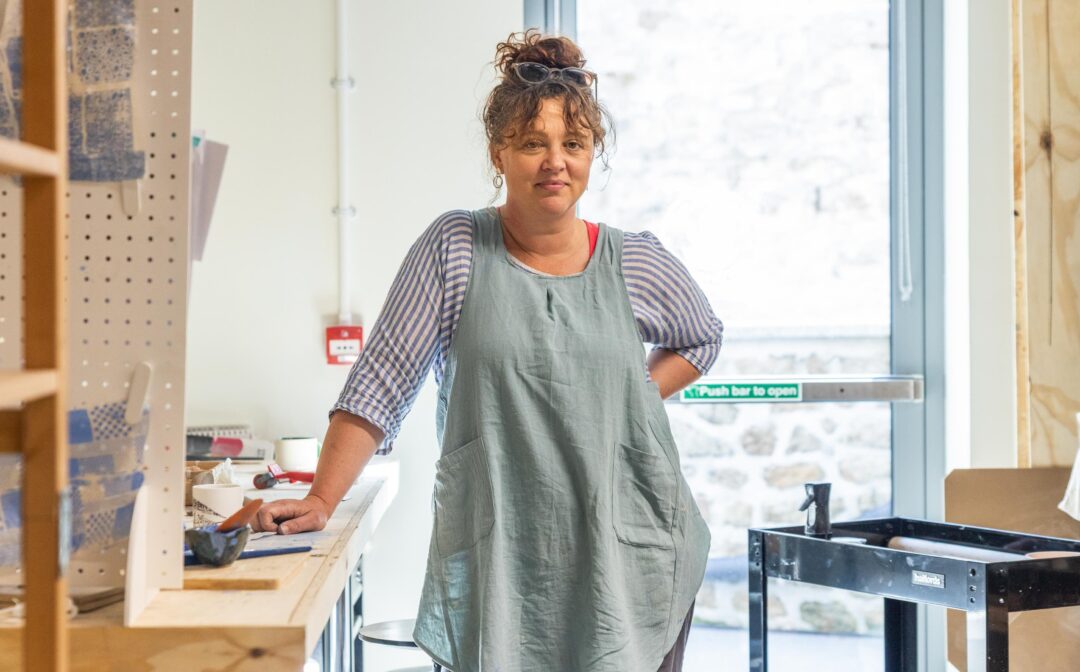
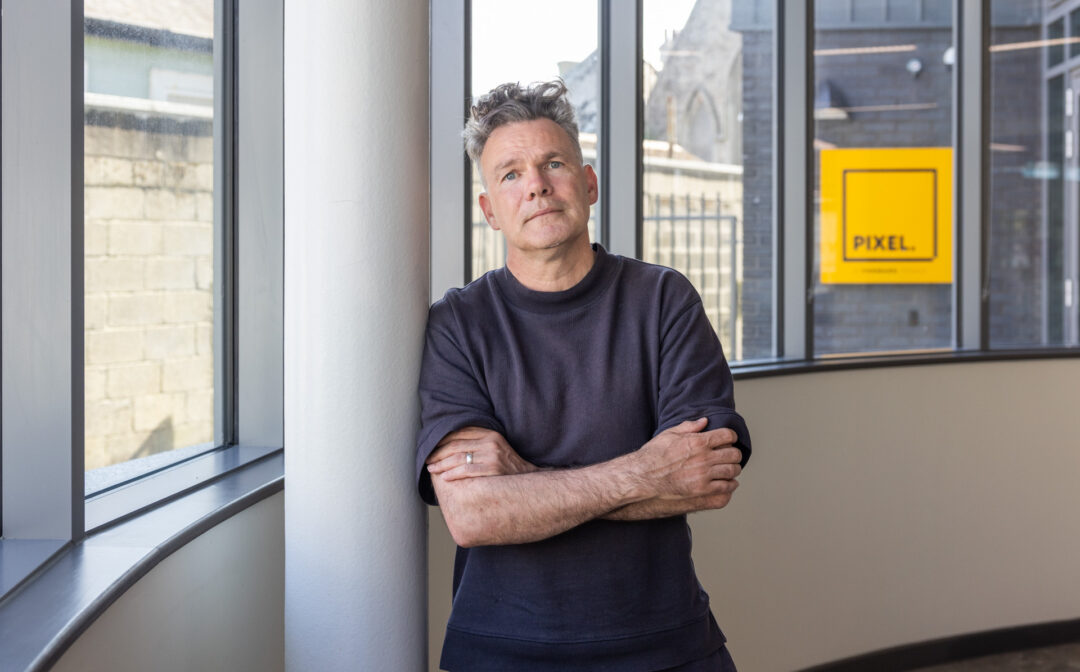
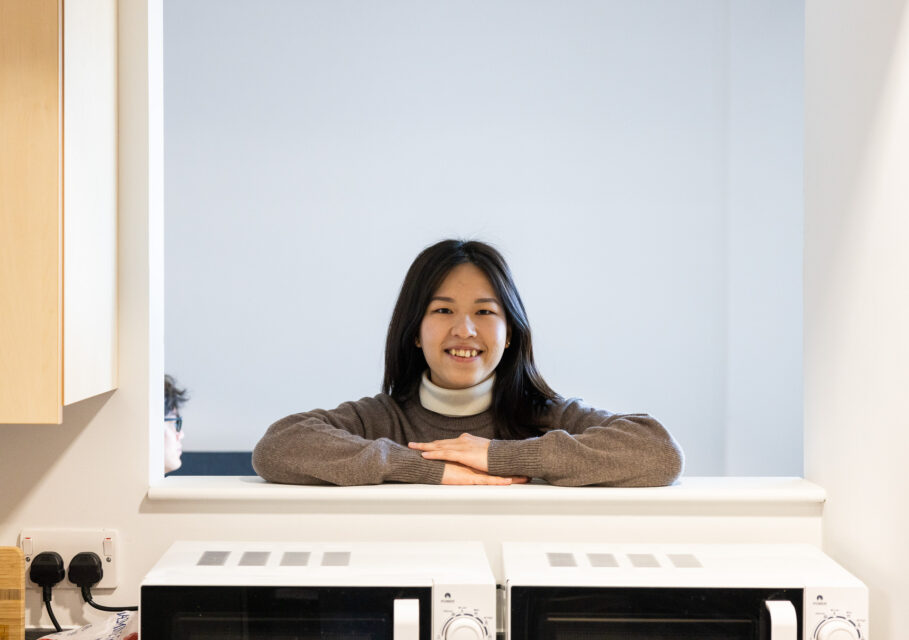
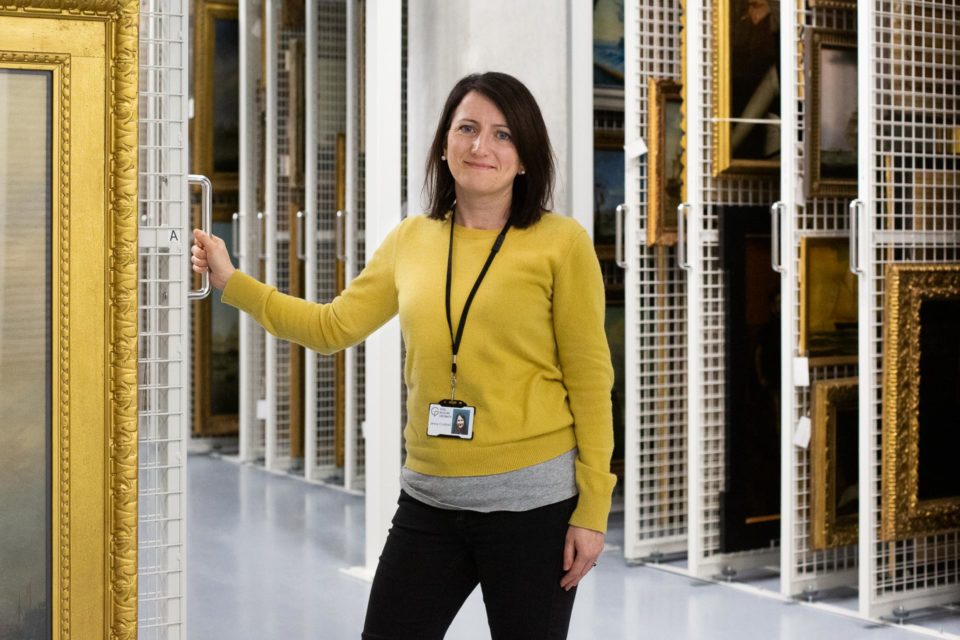
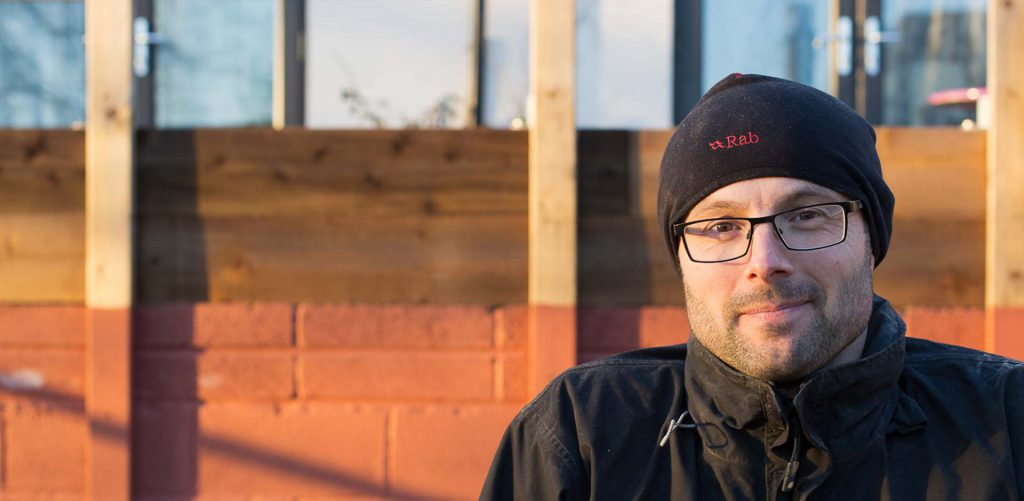
Maisie Blackburn Scott is a massage therapist, artist, and community manager at Pixel. She helps shape the social life of the building, from quizzes and workshops to local collaborations, creating a space where people can feel part of something bigger.

Maisie, what does being a community manager involve?
It’s hard to put into a few words because it’s more varied than I ever thought it would be. But in short, I work with Polly organising events here, trying to bring people together.
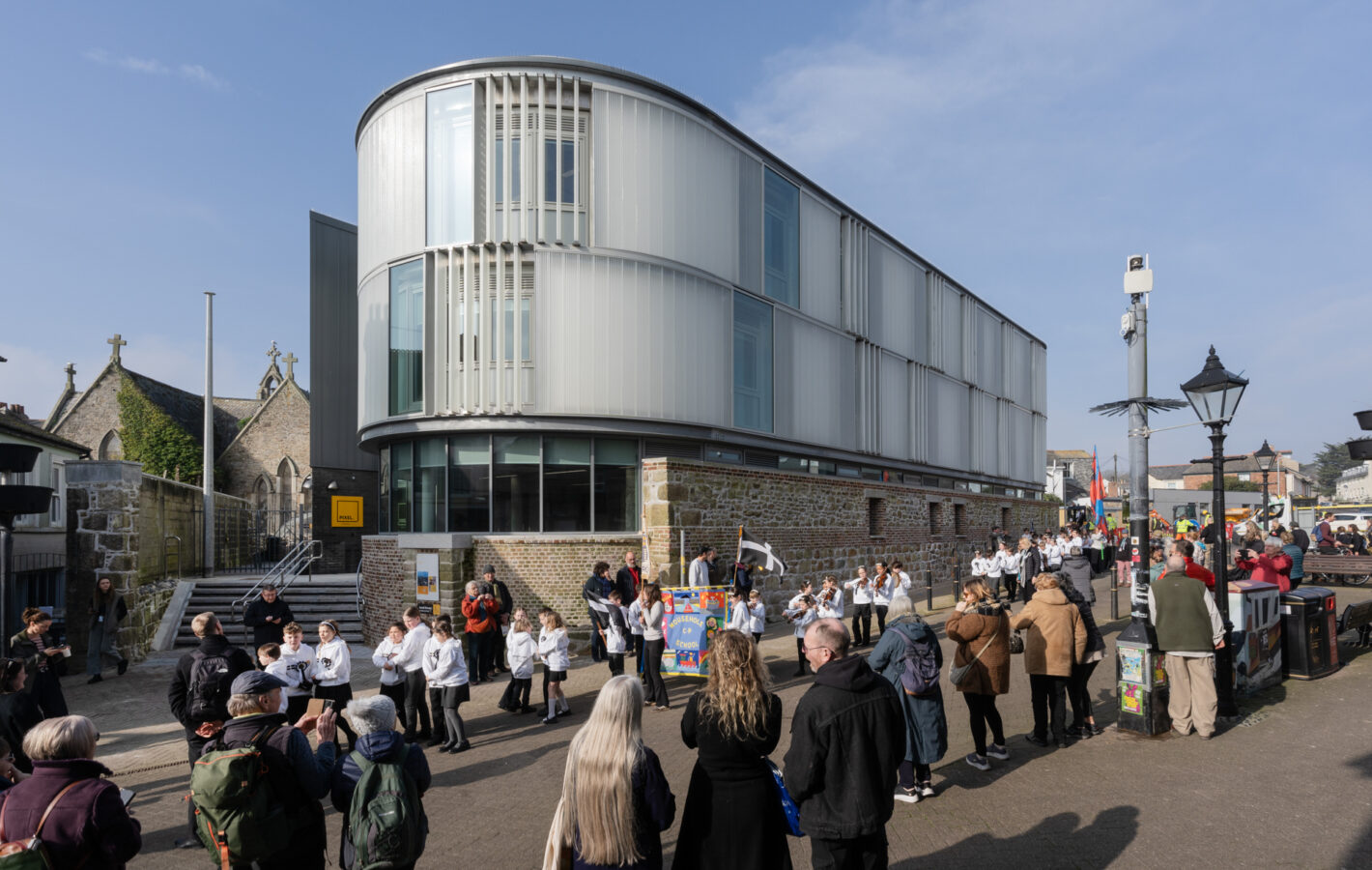
Because it’s a new building, we’re almost starting from scratch—we’re trying to create a community from nothing in an already established community. And I can’t decide if we’re working with the community that already exists or we’re creating our own. It’s a blend of both, I think.
It sounds like a blend because so many people here were already aware of each other?
They knew each other’s names and that kind of thing. But especially in co-working, people meet and realise they have loads in common. There are lots of people with newborn babies who live streets away from each other but have just met here for the first time.
It can be hard to meet people down here, so it’s really nice to see people connect. They’ve been exchanging numbers and going for beers after work, which has been lovely to watch.
How do you go about encouraging connection between people—what are the foundational things?
When we first opened, it had the same feeling as going to halls as a student—you’re nervous, don’t know anyone, but know everyone’s in the same boat. Then you’d all gather and meet in the kitchen: “Yeah, I’m in the room upstairs.”
As creatives, we can be quite introverted, so even simple things—having a coffee, small talk—make a big difference. After working in our own little bubbles through lockdown, having a space to come together with likeminded people gives us something we haven’t had for a long time.
Is there anything specific about the design of Pixel that helps encourage that connection—something we can take forward to other buildings?
I think Gavin and Alice at Forward Space have worked really hard. They’ve done this before, so they know how to create communal spaces.
Having the front desk integrated with the co-working area is really helpful. I’m often introducing people to someone I think they might want to know, and I wouldn’t be able to do that if I wasn’t sitting here.
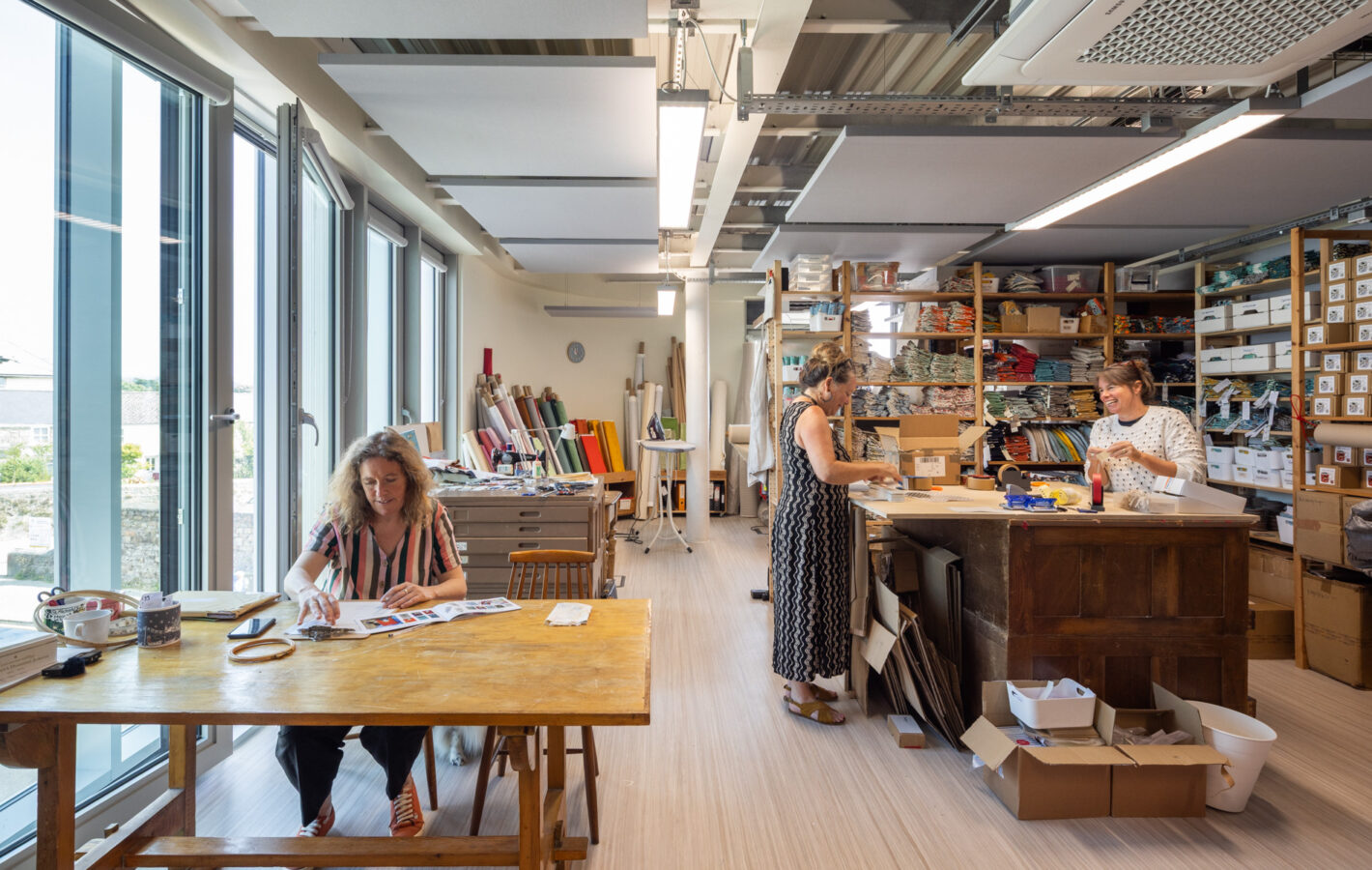
It helps too that it feels really integrated between the co-workers and the studio members. Often they’ll meet and the studio member will say, “Come up and see my space,” which is really nice. And then there’s people like Linus who have studios but who come down here to do more desk work, so it’s really flowing.
Have you seen people working together and teaching each other things?
Oh yeah. Somebody will overhear something, and be like, “Oh, I’m actually looking for someone to do this.” A web designer or whatever. That happens a lot.
The guys at Spider-Eye were great too, actually. Morgan and Simeon showed all the kids from Penwith College around after their exhibition down here. They invited them up to the studio, and they loved it. It was just so special and so lovely.
One of the aspirations for Pixel was for it to have a wider impact on the town—do you see it benefiting people beyond paying tenants?
Oh yeah, definitely. We’ve got therapists up there, massage therapists, hairdressers, and Richie doing his music lessons, so people are always coming in to use the space.
We’ve got life drawing classes every Thursday, so people come in early, have a coffee and a chat before their class, have a coffee, and then go up. We had Penwith Game Design Students’ end of year exhibition last week, and their families came to the exhibition. The lecturer was saying he’s been teaching these students for years and has never met half the parents, but they all came here because they wanted to see the building.
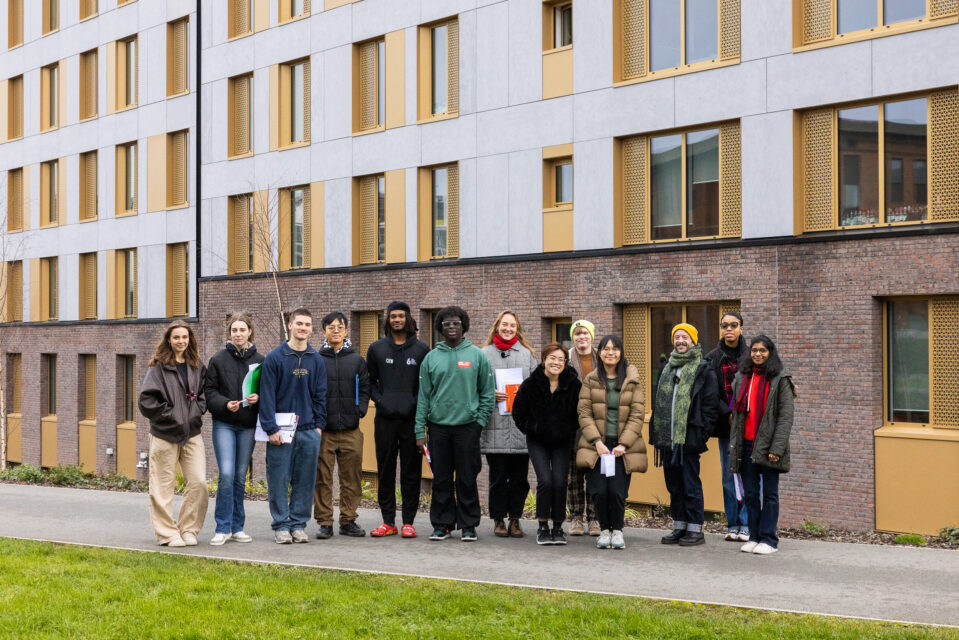
We also invite the people who live in Penzance to come in and find out what we’re about. In the first few weeks, we were giving tours constantly.
Why do you think this is working so well?
I think Penzance has been crying out for this. People have been craving it. You can just tell people want to be invited to things and want to talk and want to meet people. And I think Penzance has been missing that. It’s such a nice thing to be part of and to see it growing, I’m just really grateful to be part of it.
Can you see the other local businesses benefiting?
Yeah, we offer members perks—they get discounts at local businesses and we use their produce at our events. We’ll post about them on social media and that kind of thing.
The Farmers Arms weren’t too happy at first because the building blocks the sun for their after-work pints, but we try and get people over there, give them custom. After the events we’ll say, “Let’s go to the Farmers.” Some of our studio members are friends with them, which is really good because we want to get on with them. The landlord has been drawn by one of the artists and we use his poster to advertise the portrait classes. He’s actually put one of our posters in his pub for the first time. So that’s a good sign.
How do you see Pixel evolving over the next few years?
I hope more of the same and more going on in the event space. I think once we’ve got our hanging system, we’ll have more exhibitions there and display art. I think we’ll get a whole different crowd coming in—more people off the street walking in and seeing exhibitions. We want to put on an exhibition of everybody in the studio, all the members’ work, and do a collaboration.
Thanks so much, Maisie, it’s clear how much heart you’ve put into making this place feel alive.