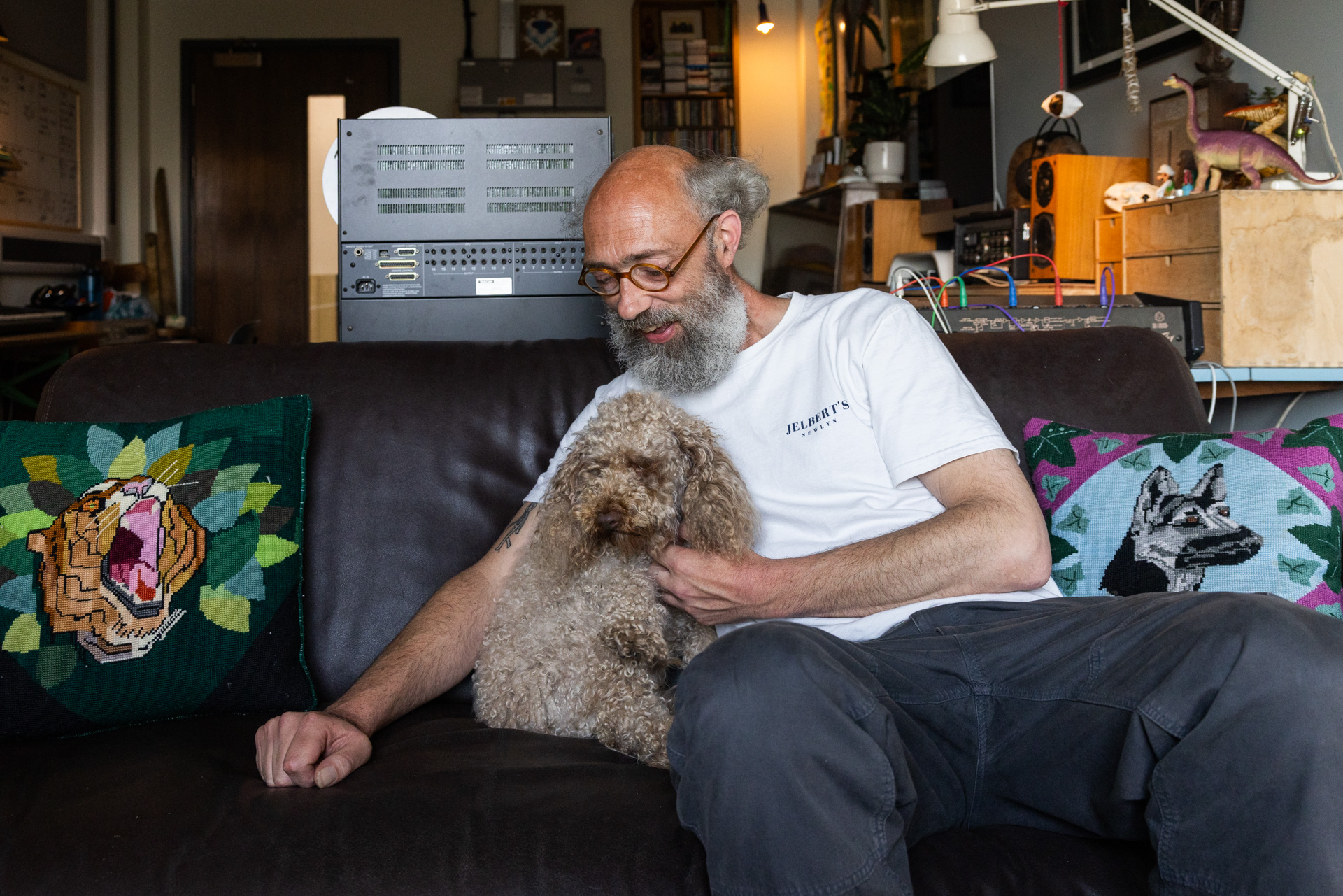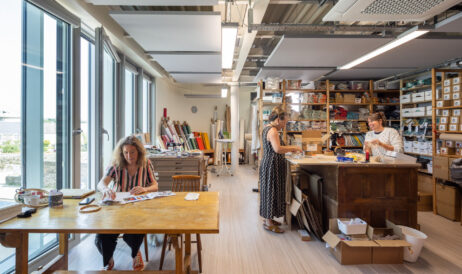

Richie Crago is a composer, musician, and educator who teaches people how to experience music on their terms. At Pixel he’s creating space for others to discover what they’re capable of—with a healthy disregard for permission.
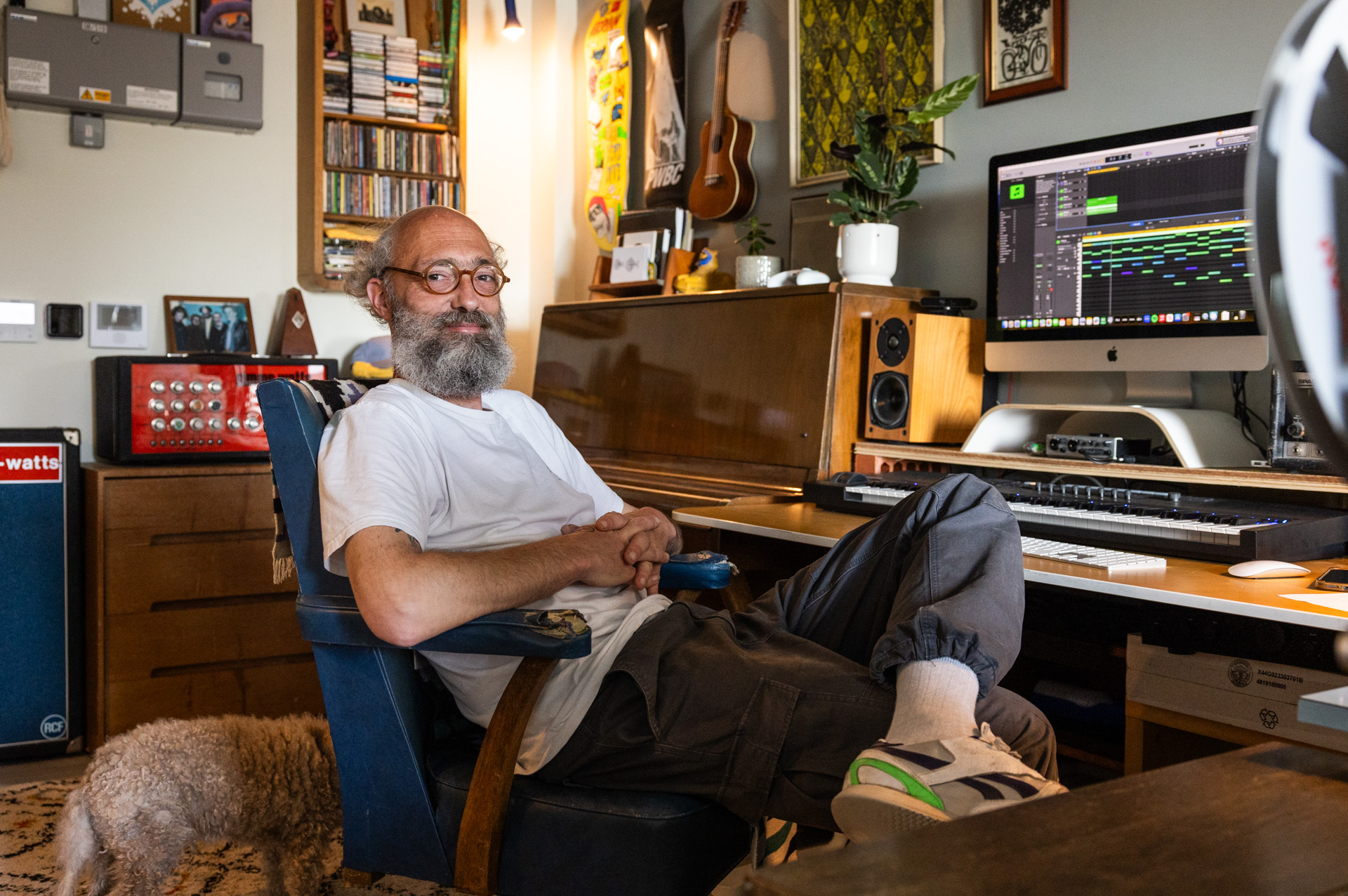
Richie, you’ve been here from day one. What first drew you to Pixel?
I’d been looking for a studio since I moved back to Cornwall about four years ago. I’d been running a surf and skate shop, which was fun, but lockdown stopped my composing and performing. I knew I had to get back to it but couldn’t find anywhere.
When I saw this place being built, I could see it had potential to become a community of people creating things, which I really wanted to be part of. It was a blank canvas. For me that’s exciting because it means it can be anything.
That’s exciting. How have you seen Pixel evolve from an empty box to what it is now?
This building’s got a really strong, supportive community. We’re all dedicated to bringing in young people and showing them that you can do what you want with your life.
When I was growing up here, the grown-ups were like, “Do yourself a favour mate, move away and live your life.” And I did. But now, it’s a different time. We can do anything from anywhere, but I think that’s sometimes forgotten down here.
This building shows people you can create a job around the things you love. When you become an expert in something, you put that expertise into the world and create work. And you can do that right here in Cornwall.
How do you go about showing people that’s possible?
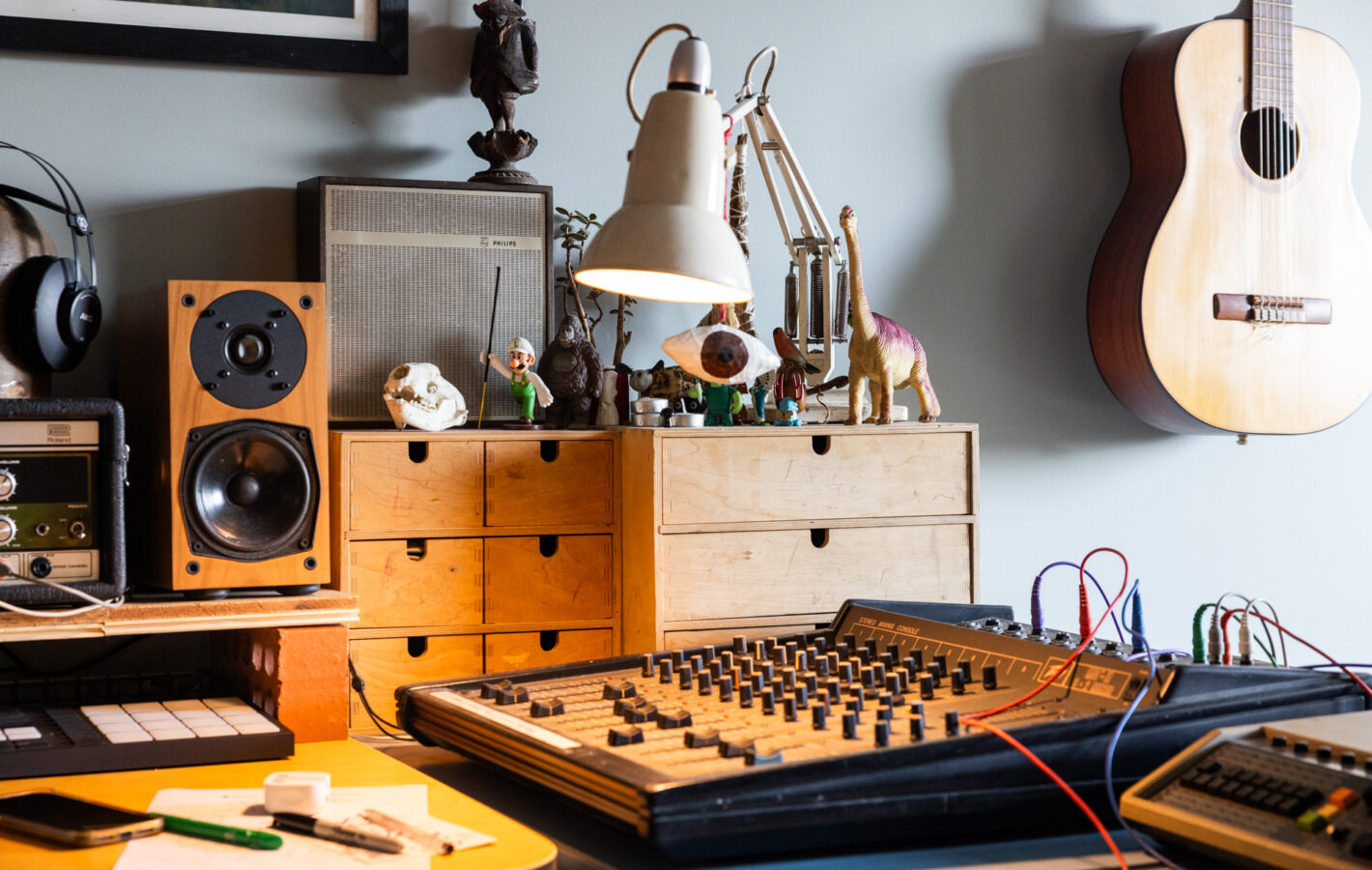
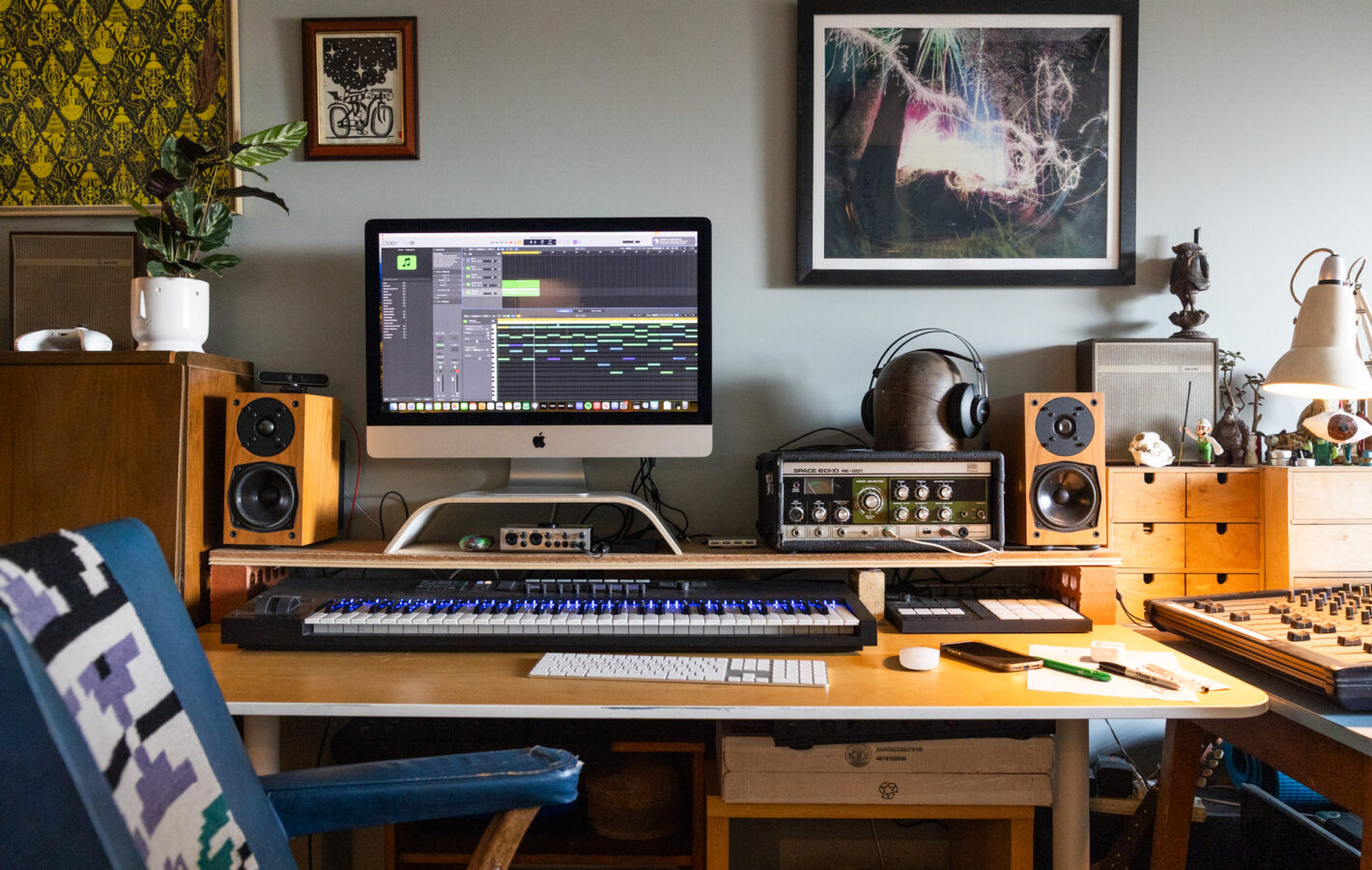
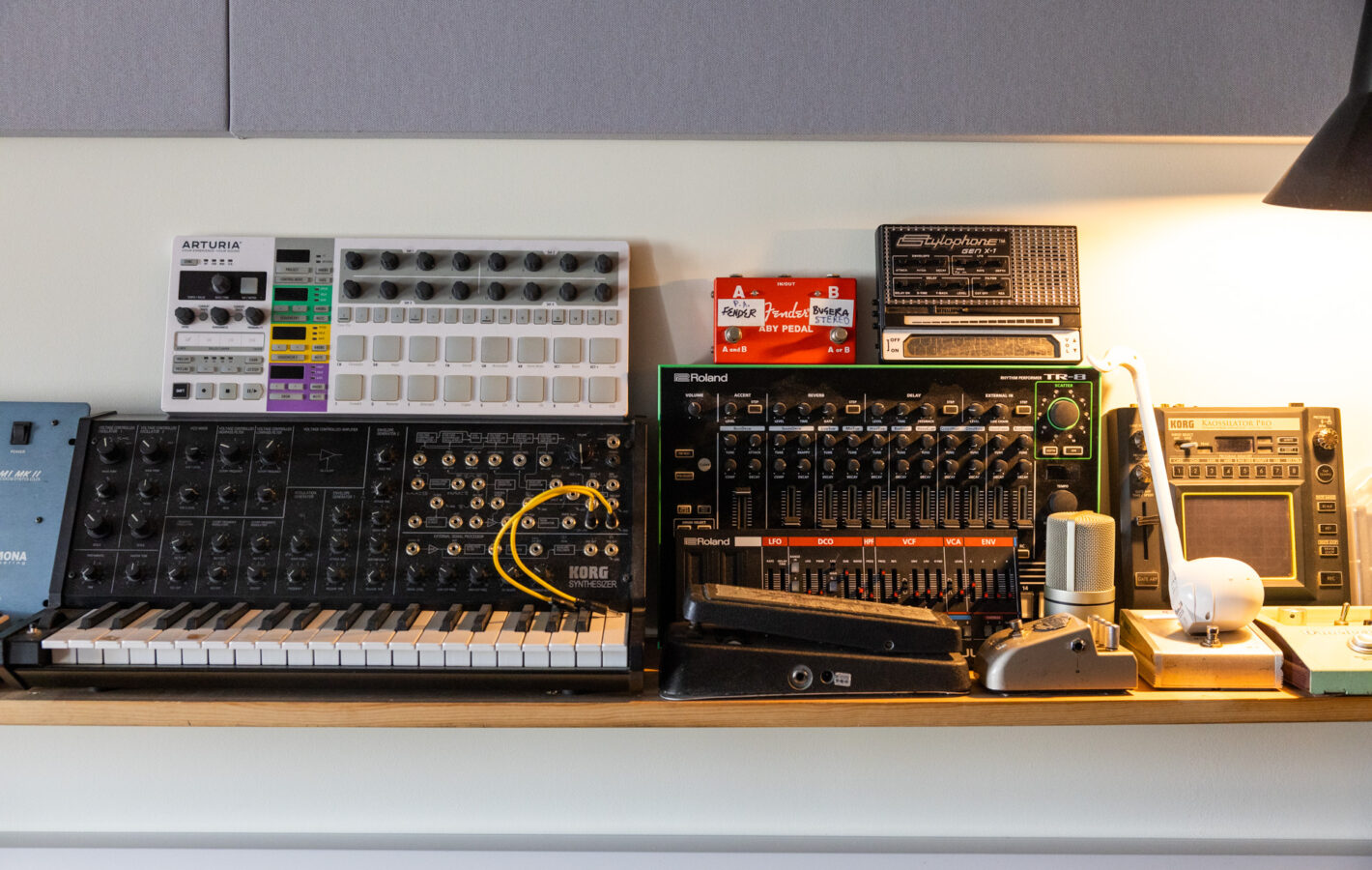
People ask what I mean and I’ll say, “I sit here and mess about with synthesisers and people pay me to do it,” and they’re like, “Really?” Yeah, you can do that. You don’t have to wait for permission or get a certain exam result.
One of my missions is to show young people critical thinking, creative thinking, and empathy. These will become more and more valuable as AI takes away so many skills. I feel like one of the reasons I’m here is to teach kids to see through the surface—to understand that the first thing Google says isn’t necessarily the truth. If we end up with a society that just believes the search engine, we’re done for.
And within the building, how do you build a community in a new space like this?
You know, I could get quite cheesy here, but I think it all comes from the heart. When I’m here, my head is up, my eyes are open, my heart is open. I’m paying attention, helping where I can.
If somebody’s having a hard time, asking “how are you doing?” Buying a loaf of bread for the table downstairs with a note saying “help yourself.” These little acts of connection. Legitimately caring. It’s contagious.
The downstairs space seems central to how Pixel works?
The mornings down there are a beautiful moment. When you work in a shop or an office, there’s that brief window before the day properly starts—you might get two minutes in the communal kitchen before you’re on the shop floor. Here, that moment can last all day. I’ve sat there for two hours, just chatting, drinking coffee, having conversations that go anywhere.
That space is held so beautifully by Maisie, Polly, and Carrie. They’re genuinely empathetic—they really care. But the space itself also has something about it. It can hold a group of people in a way that feels really comfortable, while others get on with their work but still feel connected.
Some co-working spaces feel quite transactional. What stops Pixel from feeling that way?
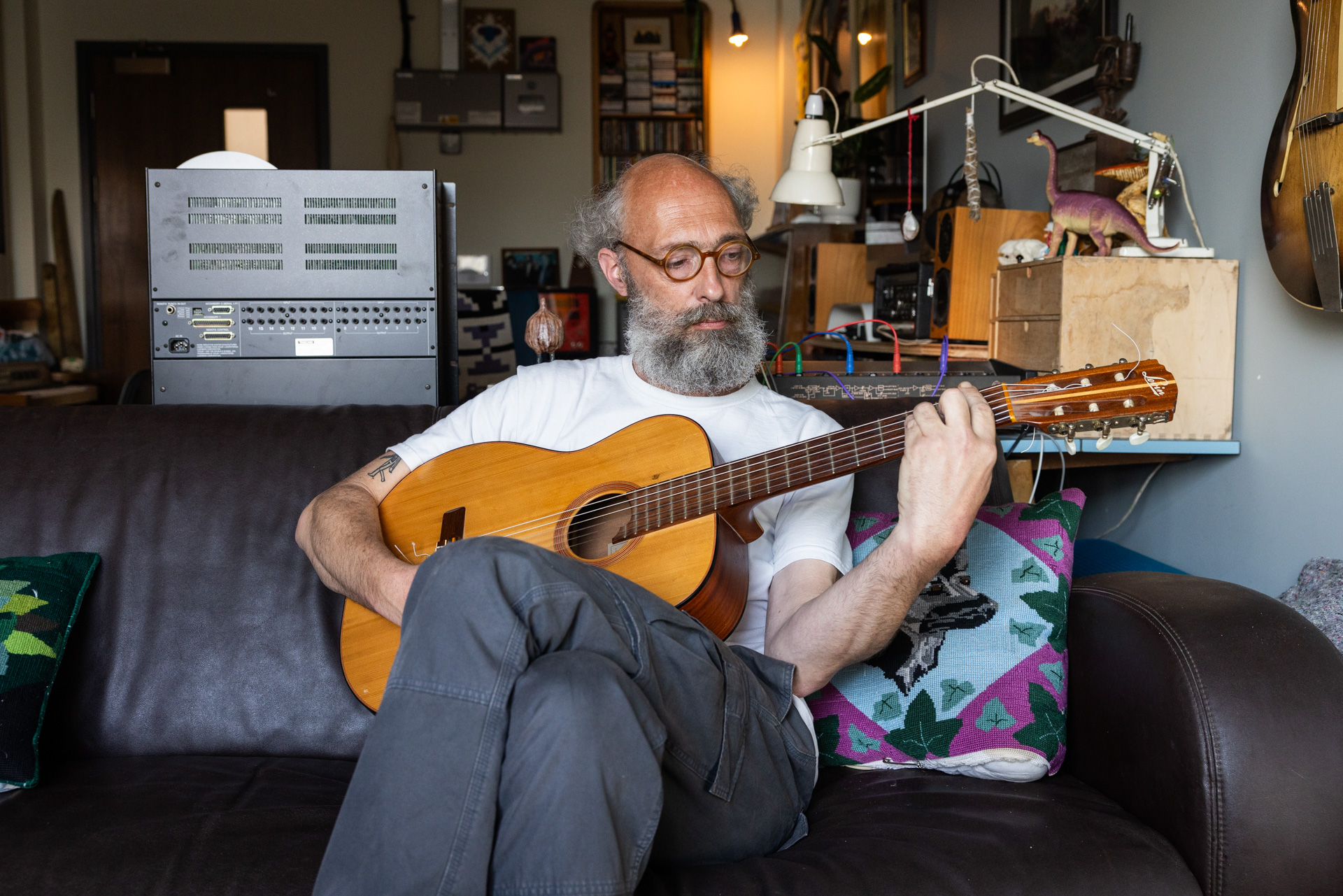
I’ve always encouraged people to own this space. When people first arrived, they’d ask, “Can I use this?” and I’m like, “It’s yours!” We’ve got 24/7 access. It took a few weeks for people to feel like that was OK, but now we’re all just feet up—this is us.
There’s definitely something about being here that feels wholesome. I think there’s gratitude in the building—a sense that this is really good, better than expected. There’s an abundance here.
One aspiration of the design was to encourage people to work together. Can you see that happening?
Yeah, totally. People need music for projects and things, but beyond that I’ve given music lessons to people here. We’ve exchanged things. Viv’s doing hair for one of my kids—my 15-year-old wants hot pink hair—and I’m teaching her son guitar.
People pop in and are like, “Oh, I’ve always wanted to learn an instrument,” and I’m like, “I can teach you to play piano, really simply.” We’re all just masters of our own stuff.
Do you feel like that’s building on a community that was already here, or is this something new for Penzance?
I’d say for the most part it’s new. Most of us here have either moved here or have changed what we’re doing. What’s interesting is there was a lot of pushback when it was built. People were saying it was really expensive, but you don’t pay bills—no insurance, 24/7 access. I feel like I’ve got three PAs downstairs. It’s madness.
Do you feel like the town’s perception is changing?
Yeah, I can tell it’s starting to be viewed as a really good thing. When it was first being built, some people didn’t really understand what it was, or didn’t like how it looked. Now those same people come up to me and say “So, are you going to show me around then?”
And has it changed your perception of the town?
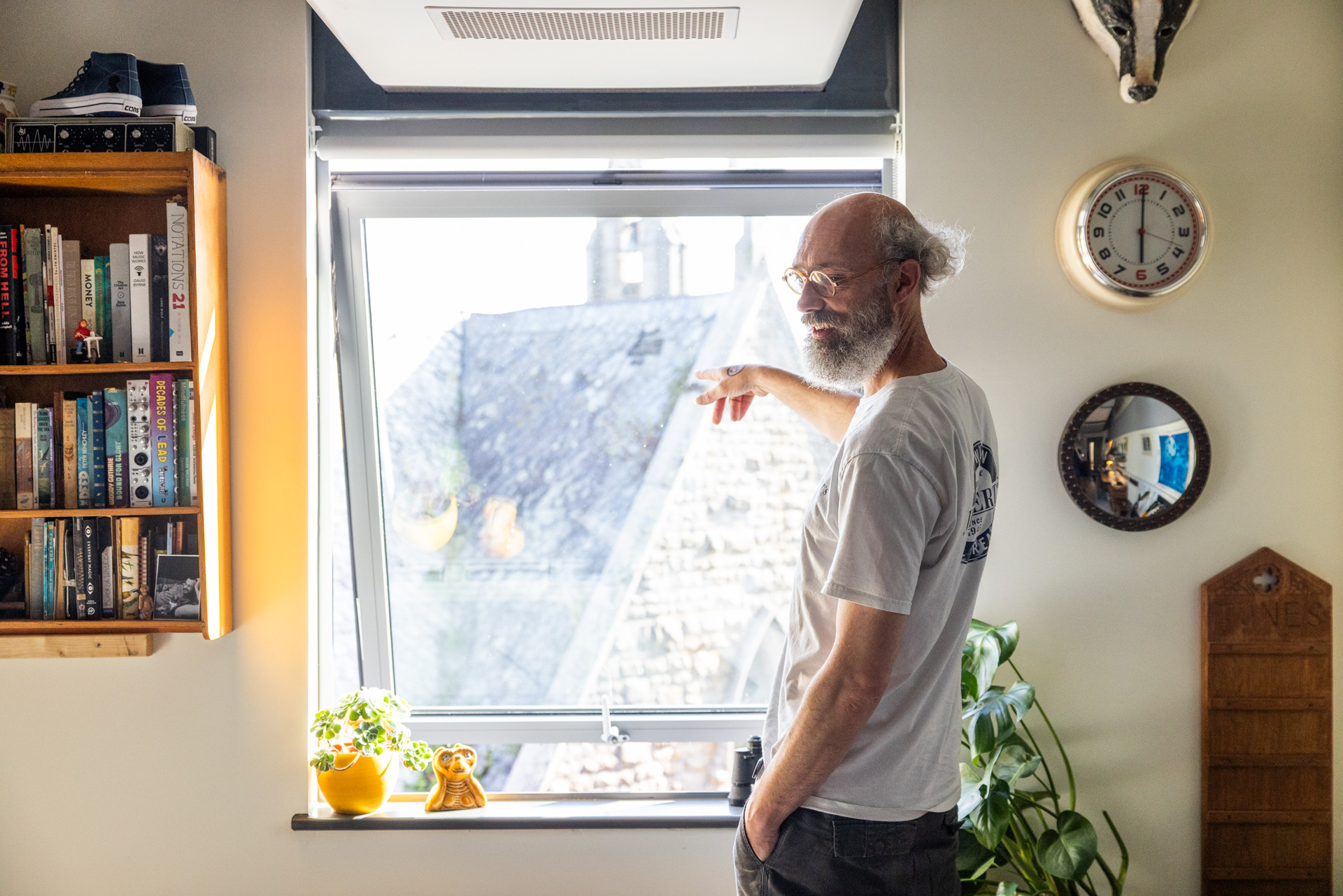
I’m a Penzance boy, so that’s in me, that Penzance thing. There’s a really deep-rooted sense of community here that will never go—generation after generation of strong families.
There’s something about it, I don’t know if I can summarise it in words. It’s just the most beautiful, tangible kind of normal. The fishing and the farming, there’s a thing here that feels really authentic. The town’s got a huge Pagan underbelly and we still celebrate lots of Pagan things. Like there’s an authenticity to the people here. There’s resilience and a sense of belonging.
And finally Richie, if you were designing your studio from scratch, what would you do differently?
I don’t like ceiling lights if I’m honest. I find them oppressive. Bloody big lights, hate them.
Thanks so much for your time, Richie. That was brilliant—really lovely to hear your take on it all.